
Visibility & awareness
Architecture explores optical and thermal sensing intended to support situational awareness when line-of-sight and daylight are constrained.
Zehterra Systems
Zehterra is developing modular aerial platforms designed to extend the reach, visibility and operational capabilities of emergency-response teams and other demanding field environments.
The Vision
Field operations often confront low visibility, hazardous atmospheres, difficult terrain, and rapidly changing conditions. Zehterra’s development program is focused on aerial systems intended to support persistent awareness while reducing unnecessary responder exposure.
Architecture explores optical and thermal sensing intended to support situational awareness when line-of-sight and daylight are constrained.
Designed around missions where keeping people farther from risk is an operational priority—smoke, heat, unstable ground, and similar conditions.
Development directions emphasize platforms that can contribute where roads, staging areas, and conventional access are limited.
Concept incorporates modular field systems intended to adapt as missions evolve—from reconnaissance to logistics support.
Autonomous assistance is a core design objective: extend capability without requiring personnel to enter every high-risk envelope.
System thinking around endurance, field resupply, and mobile support—so awareness can last longer than a single sortie.
The Platform
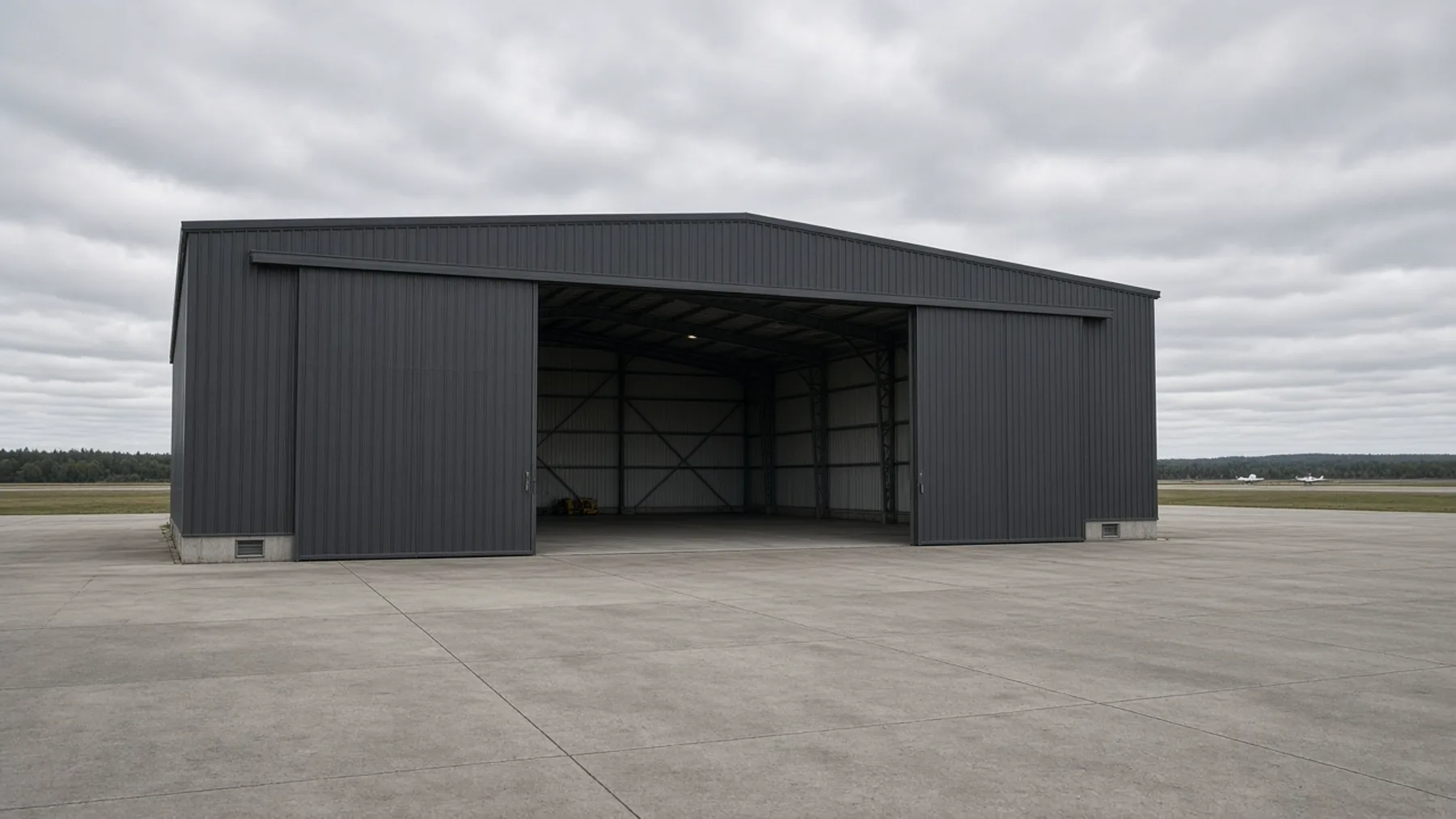
Zehterra is developing a modular aerial architecture designed around interchangeable payloads, protected propulsion, and field-oriented logistics—so a single system family can support varied operational needs.
Engineering
The airframe is one element. Zehterra’s program treats propulsion, sensors, energy, payload, maintainability, and field logistics as a single engineering problem.
Interfaces designed around swappable mission modules so one air system can serve multiple roles without redesigning the core vehicle.
Serviceable layouts, accessible subsystems, and field-replaceable elements as explicit design objectives—not afterthoughts.
Architecture explores a platform family that can grow in lift and endurance while sharing design language and support infrastructure.
Ducted propulsion concepts intended to combine compact thrust packaging with improved protection near operators and obstacles.
Integrated sensing suite and battery architecture developed as co-equal constraints with airframe and payload mass.
Mobile support, ground interfaces, and data/command pathways considered early—so the aircraft does not outrun its ecosystem.
Propulsion & Energy
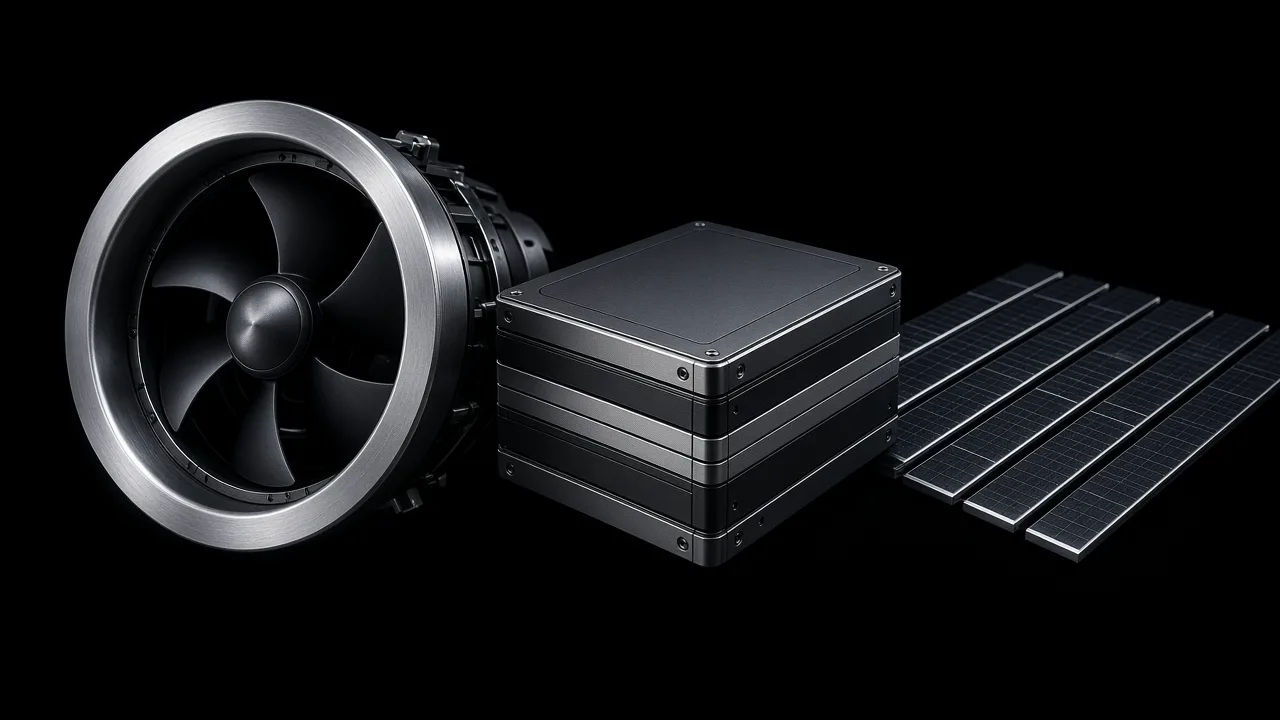
Zehterra’s architecture is designed around electric ducted fans as a protected propulsion direction—survivability, safer operation near people and structure, and compact packaging. Solar energy integration is explored as a path to extend endurance and support field power. Regenerative energy pathways are under exploration where physically sensible in the broader system and support stack—labeled clearly as development investigation, not a product feature.
EDF / ducted protected propulsion as the core architecture direction—compact thrust packaging with improved protection near operators, obstacles, and structure.
Solar energy integration explored as a conceptual path to extend endurance and support field power for forward staging—exploratory development direction.
Regenerative energy pathways under exploration—recovering energy where physically sensible across the vehicle and support stack. Exploration only; not a claimed product capability.
Applications
These application areas describe intended use directions for systems under development—not contracts, deployments, or certified products.
Concept direction for thermal reconnaissance, perimeter awareness, and support in smoke-obscured environments.
Designed around extending search reach and sensor coverage across difficult terrain and low-visibility conditions.
Intended to support incident commanders with rapid aerial perspective and modular mission payloads.
Architecture explores inspection, heavy-lift logistics, and assessment roles where height, span, or access limits conventional crews.
Concept direction for monitoring, mapping, and field ops—large-area sensing and logistics where endurance and modularity matter.
Ecosystem
Zehterra’s architecture treats the aircraft as one node in a field ecosystem—connected to modular payloads, human operators, mobile support, and data/command pathways.
Development
Zehterra follows a disciplined path from concept through architecture, prototype, controlled testing, and field validation—then deployment readiness.
Mission definition, constraints, and vehicle language.
Propulsion, payload, energy, and support interfaces.
Hardware iteration against engineering objectives.
Structured evaluation in managed environments.
The horizon we are building toward.
Operational readiness as a later-stage objective.
Zehterra is an emerging technology company advancing this program with intent and focus. Concept imagery on this site illustrates design direction—not production aircraft offered for sale.
Future Platform Family
Future scales—Response, Heavy Lift, Transport, and Specialized—are envisioned to share propulsion philosophy, modular interfaces, and support architecture. These are concept directions for a common design language across scales, not a product lineup or items for sale.
One architecture family. Multiple mission scales. Shared interfaces for payload, energy, and field support—so growth in lift or endurance does not restart the support stack.
About
Zehterra is developing modular aerial platforms intended to extend the operational reach of teams working in demanding environments—beginning with emergency-response and field-awareness missions.
We approach the work as systems engineers: propulsion, sensing, energy, payload, and logistics designed together. The company is based in Virginia, with roots in Spotsylvania County, and is building with a long horizon.
Our public posture is deliberate. We describe development direction with precision, and we do not invent customers, certifications, or flight claims.
Contact
Whether you are exploring partnership, funding, public-sector collaboration, or technical exchange—reach out. We read every message.
Strategic, industrial, and mission-partner conversations.
[email protected]Capital conversations aligned with long-horizon systems work.
[email protected]Agencies and programs interested in response and awareness concepts.
[email protected]Technical collaboration, research dialogue, and engineering exchange.
[email protected]Everything else. Tell us what you’re working on.
[email protected]